Larch Season in Alberta: When to Go and Where to Stand
Alberta’s only deciduous conifer turns gold for about two weeks each September. Here is when the colour peaks, which valleys hold it longest, and how to reach them without fighting for a parking space.
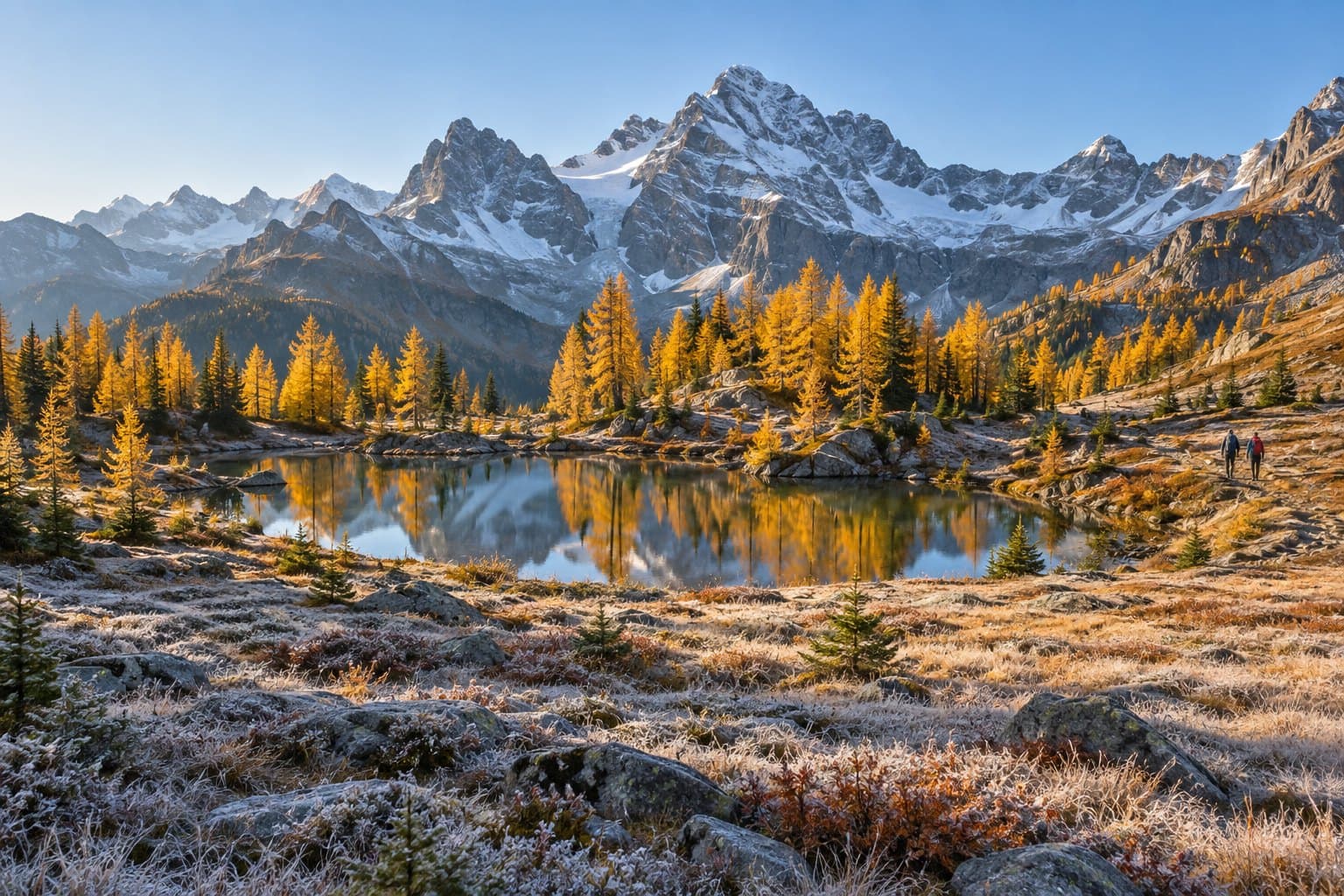
The alpine larch is the only conifer in the Rockies that drops its needles, and for roughly two weeks each September it turns the high basins the colour of brass. Larch season is short, it is unpredictable, and it draws more people to a handful of trailheads than any other fortnight in the mountain parks.
When the colour peaks
Larches start turning in mid-September and are usually at their best in the last ten days of the month. Elevation decides everything: the trees only grow between roughly 1,800 and 2,400 metres, so the colour arrives at the high passes first and works down. A cold snap sharpens it. A wind storm ends it in an afternoon.
If you can only pick one week, aim for the third week of September and accept that you are gambling. If you can watch the forecast and move at short notice, do that instead.
Where to see them
- Larch Valley and Sentinel Pass, Moraine Lake. The famous one, and for good reason. Note that Moraine Lake Road is closed to personal vehicles year round, so you reach it by shuttle, by bus, or with a commercial operator.
- Healy Pass, Banff. A long day, around 18 km return, and the reward is a basin of larches with the Monarch behind them. Fewer people than Moraine.
- Arethusa Cirque, Kananaskis. Short, steep and dense with larches. A good half day if you are driving the Highwood.
- Pocaterra Ridge, Kananaskis. Best walked one way with a car at each end, which is where having a driver helps.
- Chester Lake, Kananaskis. The most forgiving of the group. Wide trail, moderate grade, larches around the lake.
The practical parts
Kananaskis is not a national park and needs its own Kananaskis Conservation Pass, bought online. Banff, Yoho and Jasper need a Parks Canada pass. They are separate purchases and rangers check both.
Trailhead parking at Chester Lake, Arethusa and Highwood fills before eight in the morning on a September weekend. Larch Valley has no parking at all any more: the Moraine Lake shuttle books out weeks ahead, and the Highway 93 South corridor takes you into British Columbia, where winter tire rules begin on 1 October.
Weather at 2,300 metres in late September is not weather in Calgary. Expect anything from twenty degrees to falling snow, sometimes in the same afternoon. Layers, a shell, and something warm for your hands.
Making a day of it from Calgary
Larch hikes work well as a day trip because the driving is the tiring part, not the walking. Kananaskis trailheads are ninety minutes from downtown Calgary; Moraine and Healy are closer to two and a half hours. A chauffeured day means you leave before dawn without anybody drawing the short straw, you finish a point-to-point ridge without shuttling your own cars, and you sleep on the way home.
We run larch-season day trips through late September to Kananaskis, Banff and Lake Louise, with a fixed rate agreed before you leave and a vehicle that fits your group and its packs. Tell us the trailhead and we will handle the rest.
Going somewhere in this story?
Fixed rates, a professional chauffeur and a car that fits the weather. Tell us the date and we will quote it.
Book Transfer.Keep reading
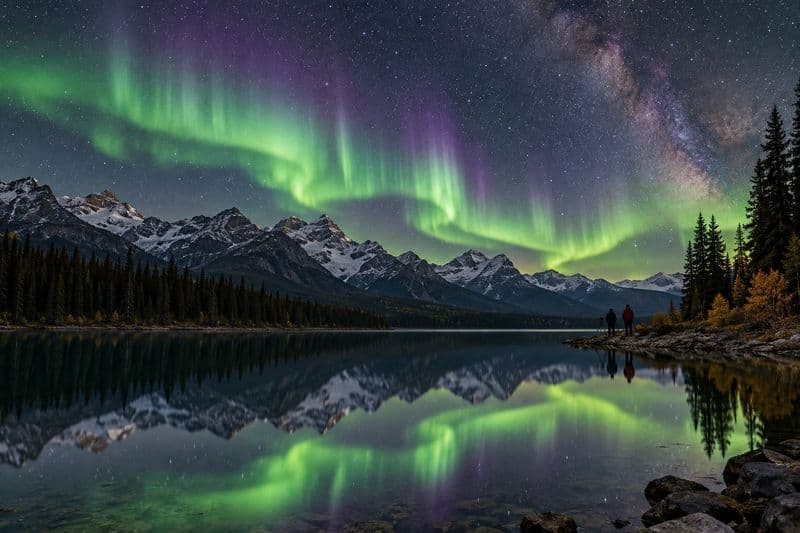
Dark Skies and Northern Lights: Alberta After Sunset in Autumn
Jasper is one of the largest dark sky preserves in the world, and autumn is when the aurora returns. Where to stand, what the forecasts actually mean, and how to dress for three hours of waiting.
Read the post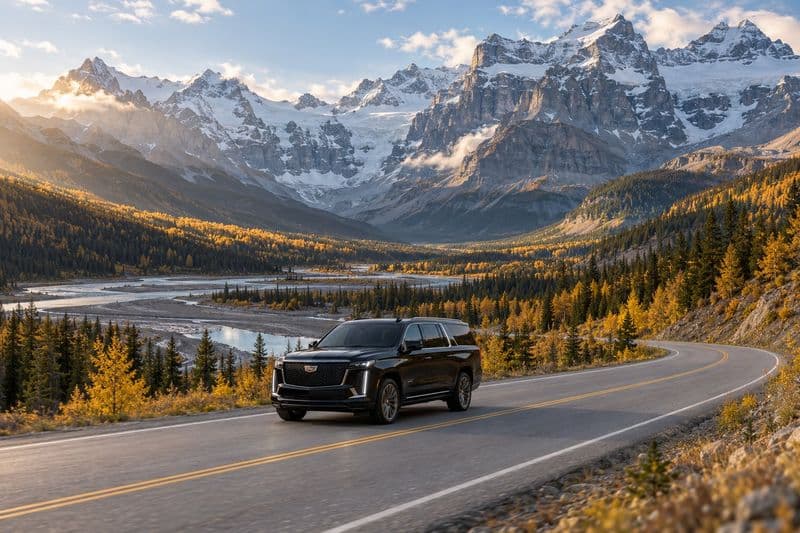
The Icefields Parkway in Autumn: The Best Month to Drive It
September and early October give you the Parkway at its best: low light, gold larches, no summer convoy. Here is what is open, what has closed for the season, and how to time the stops.
Read the post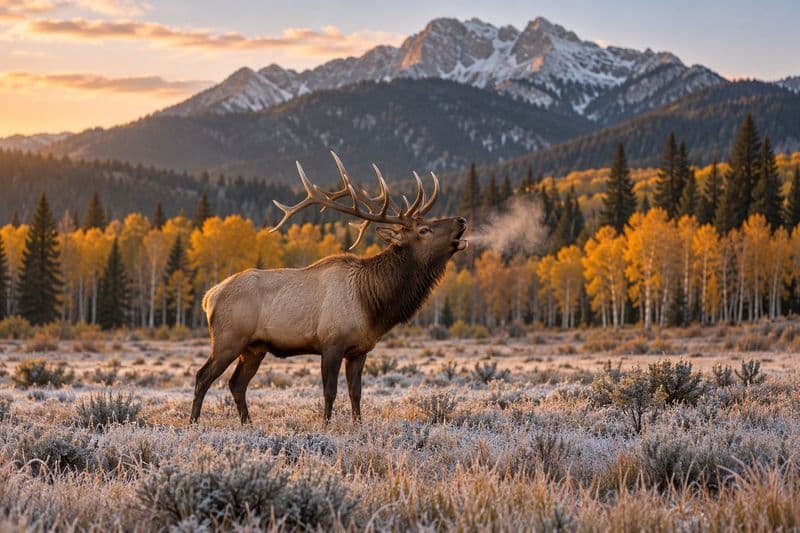
The Elk Rut: What Autumn Sounds Like in Banff and Jasper
From early September to mid-October the bull elk bugle, and they are genuinely dangerous. Where to hear them, how far back to stand, and why the townsite is the worst place to get close.
Read the post